
Protecting Neighbours During Demolition & Rebuild - Wong Lye
We've demolished and rebuilt dozens of landed homes across Singapore, and protecting neighbouring properties is always our first priority before any hammer swings. After 15 years of structural work, we've developed systematic protection methods that keep your neighbours' homes safe while we transform yours.
How we assess neighbour protection risks before demolition starts
Every demolition begins with a thorough structural assessment of both your property and the neighbouring houses. We examine party walls, shared foundations, and any structural connections between properties. Our QP conducts a detailed survey to identify load-bearing elements and potential impact zones.
For terraced houses, we pay particular attention to the party walls — these shared structural elements require special protection methods. Semi-detached and detached properties have different risk profiles, but soil conditions and foundation depths still matter for all property types.
We also check the age and construction method of neighbouring houses. Older properties built before modern building codes may need extra protection measures. We document everything with photos and structural drawings before work begins.
Physical protection systems we install
Our protection starts with underpinning systems where needed. If demolition affects foundations near the property boundary, we install temporary steel supports or concrete underpinning to maintain structural integrity of neighbouring foundations.
For party walls, we use a combination of steel props and timber supports to maintain structural loads during demolition. These supports are calculated by our structural engineer based on the actual loads and building configuration.
We install protective hoarding systems — not just the basic plywood barriers you see everywhere, but properly engineered structures that can handle debris impact and weather loads. Our hoarding includes overhead protection where demolition work happens near boundary lines.
Vibration protection mats and barriers go down before any heavy machinery starts work. We've learned that vibration damage to neighbours creates the most disputes, so we invest heavily in proper vibration isolation systems.
Demolition sequencing to minimise neighbour impact
We never demolish everything at once — that's how structural problems and neighbour damage happen. Our demolition follows a carefully planned sequence that maintains structural stability throughout the process.
Roof structures come down first, working from the centre outward toward boundary walls. This prevents sudden load transfers that could affect party walls or neighbouring foundations. We remove non-structural elements like internal partitions before touching any load-bearing components.
For party walls, we work in sections, maintaining support on alternating sections until new structural elements are in place. This prevents any sudden load shifts that could crack neighbouring walls or ceilings.
Heavy demolition work — concrete breaking, large structural removal — happens during agreed hours only. We coordinate timing with neighbours and provide advance notice for particularly noisy or vibration-heavy work phases.
Monitoring and early warning systems
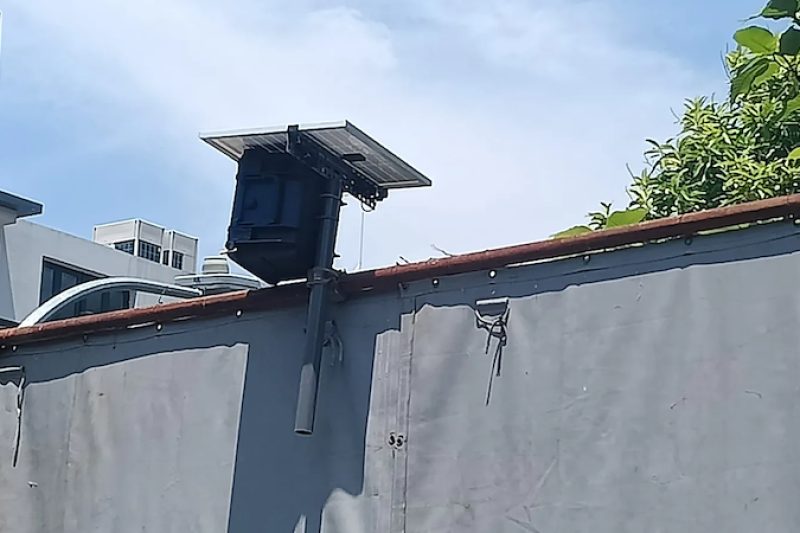
We install vibration monitors on neighbouring properties before demolition starts. These devices give us real-time feedback on ground movement and structural vibration levels. If readings approach concerning levels, work stops immediately while we reassess the method.
Visual monitoring happens daily — our site supervisor checks neighbouring properties for any new cracks, settlement signs, or other damage indicators. We document everything with dated photos and measurements.
For high-risk demolitions, we install settlement monitoring points on neighbouring foundations. These precise measuring points track any ground movement throughout the demolition and rebuild process.
We also monitor groundwater levels where relevant — some older properties have foundation systems that depend on consistent soil moisture levels, and our excavation work can affect local drainage patterns.
When problems arise — our response system
Despite careful planning, issues sometimes develop. We maintain a rapid response system for neighbour concerns — whether that's unexpected vibration, visible damage, or just worried residents who need reassurance about the process.
Our insurance covers neighbour property damage, but we prefer prevention over claims. When monitoring systems detect concerning readings, we stop work immediately and implement additional protection measures before continuing.
Communication is crucial throughout this process. We provide neighbours with direct contact numbers and regular updates on work phases. Most neighbour disputes arise from poor communication rather than actual structural problems.
Can demolition work damage my neighbour's house?
Yes, improper demolition can cause cracks, settlement, or structural damage to neighbouring properties. That's why we use structural assessments, underpinning systems, and vibration monitoring to prevent damage before it occurs.
How long does neighbour protection installation take?
Protection systems typically take 2-3 days to install before demolition starts. This includes underpinning work, support structures, and monitoring equipment. We never rush this phase because it prevents much larger problems later.
What happens if neighbours complain about noise or vibration?
We stop work immediately and assess the situation. Our vibration monitors usually catch problems before neighbours notice them, but we take all complaints seriously and adjust our methods if needed. Better to work slower than damage relationships or property.
Do you handle party wall agreements?
Yes, our team manages all party wall notifications and agreements as part of the build process. This includes structural drawings, protection method statements, and coordination with neighbouring property owners throughout the project.
What about underground utilities shared between properties?
We conduct full utility surveys before demolition and coordinate with SP Services and other utility providers to protect shared services. Any shared utilities get temporary protection or rerouting before structural work begins.
Getting neighbour protection right from the start prevents delays, disputes, and costly damage claims later. We've learned these systems through years of landed rebuild experience, and they're built into every project quote. If you're considering a demolition and rebuild project, contact us for a site assessment and neighbour protection consultation: https://wa.me/6591072601
Attached house? Party walls and boundaries covers how to establish what the shared wall actually is, the dilapidation survey to do before anything is demolished, and the five things that cause every neighbour dispute. Site access on a landed build covers the scaffolding, crane and delivery agreements that have to be settled with the same neighbours before the programme depends on them.
If you are on the receiving end rather than the one building, what you can ask for when a neighbour builds next door sets out the requests worth making and the ones that will get you nowhere.
The same planning that keeps the works off your neighbours also decides whether your own household can remain on site — see staying in the house while the builders are in.
One more reason to establish what the house is made of before anything is broken: finding asbestos in an older landed house — and why nobody should be breaking material up to find out.
Related: protection is one line in a demolition scope; the rest of it is set out in whose scope demolition is, and where it stops.
Also worth reading: if something does go wrong next door, which policy responds. See insurance on a landed A&A or rebuild: what covers an injured worker, a neighbour's damaged wall and your own house.