
Why We Don't Outsource Our Metalwork (Most Builders Do)
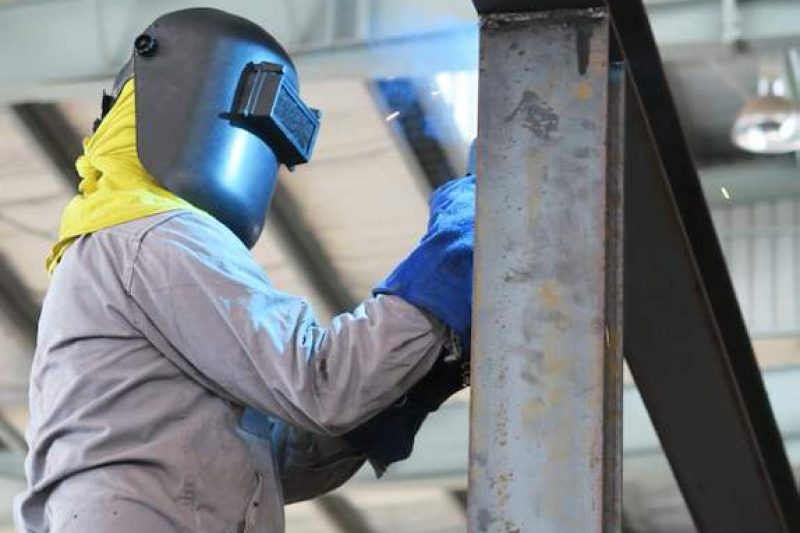
We've fabricated our own metalwork in-house since 2014, when we built our first warehouse racks. Most landed builders outsource this work to separate metal shops. After a decade of seeing both approaches, we're convinced in-house is better for your build — here's why.
The Real Problem with Outsourced Metalwork
When your builder outsources metalwork, three things typically go wrong. First, the metal shop measures from architectural drawings, not the actual build. We've seen beams arrive 50mm short because the concrete pour shifted slightly from the plan.
Second, timing becomes a nightmare. Your builder waits for the metal shop, the metal shop waits for materials, and your project sits idle. We've taken over builds where homeowners waited six weeks for outsourced steelwork that we could fabricate in-house within days.
Third — and this is critical for landed rebuilds — nobody owns the interface problems. When an outsourced beam doesn't fit, the builder blames the metal shop, the metal shop blames the measurements, and you're stuck paying for both delays and remedial work.
What In-House Metal Fabrication Actually Looks Like
Our metal workshop sits next to our main facility. When we're fabricating steelwork for your rebuild, we measure directly from the actual structure — not just the drawings. If a column position shifted 20mm during pour, we adjust the beam fabrication before cutting steel.
For landed rebuilds, this matters most with structural steelwork: main beams, column connections, and staircase frames. These aren't decorative elements — they're load-bearing components that must fit precisely. We've handled builds where the existing foundation shifted slightly, requiring steel modifications that an external shop couldn't accommodate quickly.
The other advantage: we can modify on-site. When we hit an unexpected condition — old utilities running where the drawing shows clear space — we can adjust the steel fabrication immediately rather than sending revised drawings to an external shop and waiting days for new components.
When Outsourcing Actually Makes Sense
We're not saying all metalwork should be in-house. Highly specialised items like custom aluminium windows or decorative wrought iron often need specialist shops with specific equipment we don't maintain.
But for the structural metalwork that matters to your rebuild — beams, columns, staircases, and reinforcement — we've found in-house gives better results. We control quality directly, we adjust for site conditions immediately, and there's no finger-pointing when something needs modification.
The cost difference isn't significant either way. What you save in coordination time and remedial work usually covers any price difference between in-house and outsourced fabrication.
Quality Control You Can Actually Verify
Here's something most homeowners don't realise: when metalwork is outsourced, your builder often can't easily verify the steel grades or welding quality. They're relying on the metal shop's certifications.
With in-house fabrication, we control the entire process. We buy our steel directly from suppliers we've used for years. Our welders are our employees, not subcontractors. When BCA requires structural steel certifications for your rebuild, we have complete documentation because we did the work ourselves.
This becomes particularly important for landed properties with complex structural requirements — cantilevered sections, large spans, or integration with existing structures. We've handled rebuilds where the structural engineer required specific steel grades and welding procedures that would be difficult to coordinate through multiple outsourced shops.
The Timeline Reality
Most builders who outsource metalwork build buffer time into their schedules — usually two to three weeks extra per phase involving steelwork. They have to, because they can't control the external shop's workload or material availability.
We schedule metalwork like any other in-house task. If your concrete pour finishes Tuesday and we need beams by Friday, that's achievable because we're not waiting for external coordination. This speed advantage compounds over a full rebuild project.
The other timeline benefit: changes. When your architect modifies a beam size or connection detail, we can usually accommodate the change within our existing fabrication schedule. External metal shops typically treat changes as new orders with full lead times.
Going deeper: the industrial version of the same argument - a steel mezzanine in an industrial unit.
The sub-frame behind a large door is the clearest example of that interface - what holds up a wide opening.
Coating sequence is one of the clearest examples: fabricate complete, galvanise, then bolt on site. The reasoning is in galvanised, painted or powder-coated.