
What Your House Actually Costs to Rebuild vs Reconstruct
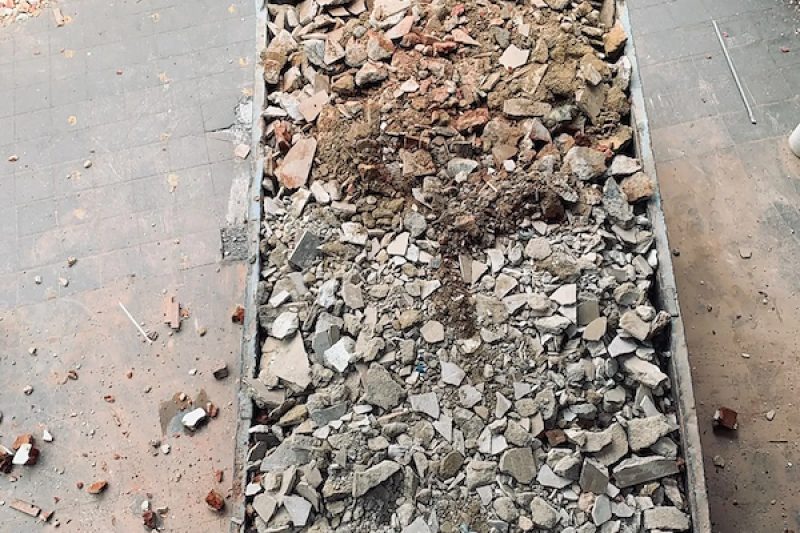
What rebuilding your house actually involves versus reconstruction
When clients ask us about their landed home options, we hear "my neighbour rebuilt for X amount" constantly. The problem? Most people use "rebuild" and "reconstruct" interchangeably, but they're actually different projects with very different costs and outcomes.
Rebuilding means tearing down to foundation level and starting fresh. Reconstruction means keeping some existing structure — usually the foundation and load-bearing elements — and building around them. We've done both extensively, and the choice affects everything from your timeline to your final design.
How much rebuilding actually costs compared to reconstruction
In our experience across Singapore's landed properties, rebuilding typically costs 15-25% more than reconstruction. Here's why: you're paying for complete demolition, new foundation work, and starting from zero with utilities.
Reconstruction keeps your existing foundation (assuming it's sound) and often retains some structural walls. That saves significant time and cost upfront. But — and this is critical — reconstruction limits your design options. You're working within the constraints of what's already there.
The actual cost difference depends heavily on your existing structure's condition. We've seen reconstruction projects where the existing foundation needed so much remedial work that rebuilding would have been cheaper. That's why we always do a structural assessment before quoting either option.
What you actually get for the extra cost of rebuilding
Rebuilding gives you complete design freedom. Want to move the staircase? Reconfigure the entire ground floor layout? Add a basement? No problem when you're starting fresh.
With reconstruction, you're working around existing structural elements. Moving a load-bearing wall might be possible, but it requires additional structural engineering and often steel reinforcement work. We can do it, but it adds cost and complexity.
The other advantage of rebuilding: you know exactly what's behind every wall. With reconstruction, we sometimes discover issues during the work — old wiring that doesn't meet current codes, plumbing that needs complete replacement, or structural problems that weren't visible during the initial assessment.
When reconstruction actually makes more sense
If your existing structure is solid and your layout works well, reconstruction can be the smarter choice. We particularly recommend it when clients want to expand upward — adding a third storey to a two-storey terrace, for example.
Reconstruction also makes sense for heritage properties where you want to preserve certain architectural elements. We've worked on conservation shophouses where keeping the original facade and internal features was actually a requirement, not just a preference.
Timeline matters too. Reconstruction typically takes 2-3 months less than a complete rebuild because we're not starting from zero. If you need to move back in by a specific date, that time saving might outweigh the cost savings.
What you need to check before deciding
The most important factor is your existing foundation's condition. A structural survey will tell us whether your current foundation can support additional floors or significant modifications. If it can't, reconstruction becomes much less attractive.
We also check the existing structure's compliance with current BCA requirements. Older landed homes often don't meet today's structural standards. If bringing everything up to code requires extensive work anyway, rebuilding might actually cost less overall.
Your plot ratio matters too. If your existing house already maximises the allowable plot ratio, reconstruction won't let you add significant space. Rebuilding lets you reconfigure the same space more efficiently, but you're still working within the same total allowable area.
The hidden costs that actually matter
Both options have costs that clients don't always anticipate. For rebuilding, temporary accommodation for 8-12 months is significant. For reconstruction, you might need to move out for 6-9 months depending on the scope.
Utility connections are another factor. Rebuilding often requires new connections to the main services, which can involve Singapore Power, PUB, and other agencies. Reconstruction typically works with existing connections, though upgrades might still be needed.
Both projects require URA and BCA submissions, which we handle as part of our service. But rebuilding submissions are generally more complex because we're proposing an entirely new structure rather than modifications to an existing one.
Is reconstruction actually cheaper than rebuilding?
In most cases, yes — reconstruction costs 15-25% less than rebuilding because you're keeping the existing foundation and some structural elements. But the actual difference depends on your existing structure's condition and how much modification you want.
Can I change my mind from reconstruction to rebuilding once work starts?
Not easily. Once we've started reconstruction work around existing structures, switching to a full rebuild means scrapping completed work. We always finalise the approach before breaking ground to avoid this costly situation.
How do I know if my existing foundation can support reconstruction?
We conduct a structural assessment before quoting any project. This involves checking foundation depth, existing load-bearing elements, and soil conditions. The assessment tells us whether reconstruction is viable or if rebuilding makes more sense structurally.
Which option gives me more design flexibility?
Rebuilding gives you complete design freedom since you're starting fresh. Reconstruction works within existing structural constraints, though we can often modify layouts significantly depending on which walls are load-bearing and which aren't.
Do both options require the same approvals from authorities?
Both need URA and BCA submissions, which we handle for our clients. Rebuilding submissions are typically more complex since we're proposing an entirely new structure, but the approval process timeline is similar for both approaches.
Whether you're considering rebuilding or reconstruction, the key is getting accurate structural and cost assessments before committing to either approach. We've seen too many projects start down the wrong path because assumptions were made about what was actually possible or cost-effective. Ready to discuss your specific situation? WhatsApp us for an initial consultation.
Also worth reading: when a project stops being A&A and becomes a reconstruction — what the boundary changes, and why an older envelope is worth protecting.
Related: Rebuild or A&A your landed house? How to decide — how to weigh the two routes on structure, envelope and time before you get to cost.