
Termite Prevention During Reconstruction: What We Do
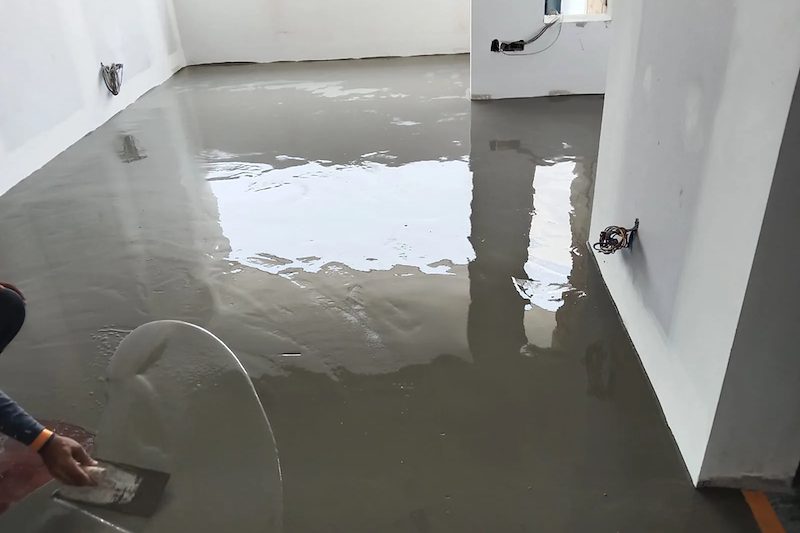
We treat every reconstruction site for termites before the foundation slab goes in. It's not optional, and it's not something you retrofit later without tearing the place apart. In our experience with landed rebuilds, termite prevention works when it's designed into the structure from day one — not applied as an afterthought when you spot mud tubes climbing your walls.
Why termites are a structural issue, not just a pest problem
Most people think of termites as a renovation concern — something you deal with when refinishing timber or installing new cabinets. That's true for finishes, and our sister company Larry Contractors handles that scope during HDB reno works. But in a landed reconstruction, termites can compromise structural timber, attack formwork before concrete cures, and tunnel through expansion joints in ways that create long-term moisture and integrity issues.
We've opened up old landed homes during demolition and found subterranean termite galleries running through wall cavities, floor voids, and even behind bathroom waterproofing. The damage wasn't always visible until we stripped things back to structural elements. That's why we treat termite prevention as part of the build envelope — not a pest control add-on.
What we do before the foundation slab goes in
The single most important termite intervention happens when the site is still open earth. After we've completed piling, excavation, and any necessary soil stabilisation, we apply a liquid termiticide to the soil that will sit directly beneath the ground floor slab.
Soil treatment creates a chemical barrier in the ground. We use products approved under Singapore's pesticide regulations — typically non-repellent termiticides that termites can't detect, so they pass through the treated zone and die before establishing colonies. The treatment is applied at specified dilution rates and coverage (usually around 5 litres per square metre for standard soil, more if the ground is very porous or has been heavily disturbed).
We coordinate this with our pest control subcontractor, who holds the necessary NEA licensing. The application must happen after all substructure work is done but before the blinding concrete or sand fill goes down. Timing matters. If it rains heavily after application, we may need to re-treat. If concrete is poured too soon, the chemical doesn't have time to bind properly with the soil.
This isn't something we skip to save a few hundred dollars. The cost of soil treatment for a typical landed footprint is a tiny fraction of your rebuild budget — but the cost of remediating an active infestation two years later can run into five figures, plus the damage to timber, insulation, and concealed services.
Physical barriers at vulnerable junctions
Chemical treatment handles the soil. But termites are persistent, and subterranean species in Singapore can build mud tubes up exterior walls, through expansion joints, around pipe penetrations, and along any junction between different materials.
We use physical barriers at critical entry points:
- Stainless steel mesh at pipe collars and service entries — termites can't chew through it, and it's durable enough to last the building's lifespan
- Graded stone or termite-resistant aggregate around the perimeter, particularly where landscaping or external paving will abut the building — the particle size is too large for termites to move, creating a physical gap they can't bridge
- Proper detailing of expansion joints — we ensure sealant and backer rod selection doesn't create voids termites can exploit, especially at floor-to-wall junctions and around openings
On some projects, especially where the client is doing extensive external timber decking or cladding, we've also installed stainless steel termite shields at the base of timber posts. These are L-shaped flashings that force termites to travel over an exposed metal surface to reach the timber — making them visible before they do damage.
Why timber selection and detailing still matter
Even with the best soil treatment and physical barriers, we avoid creating easy food sources. If structural timber is part of the design — roof trusses, exposed beams, timber-framed sections — we specify naturally termite-resistant species or timber that's been pressure-treated to Australian Standard AS1604 or equivalent.
Where timber touches masonry or concrete (door frames, window sills, built-in joinery anchors), we detail the junction with a damp-proof course or use metal brackets to create a physical separation. Termites need moisture and cellulose. If you eliminate direct wood-to-ground contact and control water ingress, you remove half the attraction.
We also make sure there's adequate subfloor ventilation in any raised-floor sections. Termites thrive in dark, humid, undisturbed voids. Good airflow and access for inspection make a structure far less inviting.
What happens during construction (before walls close up)
Once the slab is down and framing begins, we do a mid-construction termite inspection with our pest control partner. This catches two things:
- Any termite activity that might have been brought in with stored materials or from adjacent properties
- Any new soil exposure created by landscaping, drainage work, or changes to external levels
If we're doing a partial rebuild or additions-and-alterations where part of the old structure remains, we'll often treat the retained sections separately — especially timber floors, roof voids, and any wall cavities that will be concealed by new work. You don't want to build a brand-new extension onto a house that already has an active infestation.
The one thing we never do: assume existing treatment is still good
We've had clients tell us, "The previous owner said the house was treated ten years ago, so we're fine." Chemical soil treatments degrade. Some products last five years, some claim ten, but efficacy drops with soil pH changes, microbial action, and water movement. If we're tearing down to foundation level anyway, we treat the site fresh. There's no reason not to.
And if we're doing A&A works where we're not disturbing the ground slab, we'll still recommend a professional termite inspection and, if needed, a perimeter re-treatment or baiting system. This is something our sister company Larry Contractors can arrange as part of renovation scope.
What about ongoing protection after handover?
We hand over a site that's been treated and detailed for termite resistance. But no treatment is lifetime-guaranteed without monitoring. We usually advise clients to:
- Arrange an annual termite inspection, especially in the first three years
- Keep the perimeter clear of soil, mulch, or timber debris stacked against walls
- Fix any water leaks or drainage issues promptly — moisture attracts termites
- Avoid planting shrubs or trees too close to the building, which can create shade and humidity that encourage activity
Some clients opt for a baiting and monitoring system installed around the perimeter. We don't supply these ourselves (they're a pest control service), but we can coordinate the installation during construction so the stations are integrated neatly into landscaping or subfloor voids.
Common mistakes we see (and avoid)
Treating only after the slab is poured. You can drill and inject, but it's far less effective than treating open soil. We've seen contractors try to retrofit treatment by drilling through tiles or screed — it's messy, incomplete, and expensive.
Skipping treatment on small extensions. Even a 10 m² addition creates new soil-structure junctions. If you're building it, treat it.
Using untreated timber in subfloor or concealed areas. We've opened walls during A&A projects and found untreated softwood studs riddled with termite damage. If it's hidden, it needs to be durable or treated.
Ignoring adjacent properties. If your neighbour has an active infestation and you share a boundary wall or common ground, termites don't stop at the property line. We've coordinated with neighbouring owners before to ensure perimeter treatment is continuous.
Frequently Asked Questions
Is anti-termite treatment compulsory for rebuilds in Singapore?
It's not explicitly mandated by BCA for all residential builds, but it's considered standard practice and often required by lenders or insurers. We include it in every reconstruction because the risk and cost of not doing it far outweigh the modest upfront expense. If you're getting a mortgage, check your loan conditions — many banks now require proof of termite treatment before releasing construction funds.
How long does soil treatment last?
Most modern non-repellent termiticides are effective for five to ten years, depending on soil type, rainfall, and the specific product used. We provide clients with the treatment certificate and product data sheet at handover, which includes the expected service life. After that period, we'd recommend a professional inspection and possible perimeter re-treatment or a baiting system.
Can I treat for termites myself during a DIY rebuild?
Legally, no — pesticide application for structural termite control in Singapore requires NEA licensing. Practically, it's also a bad idea. Application rates, dilution, soil saturation, and timing all affect efficacy. We've seen DIY attempts fail because the chemical wasn't applied evenly, or it was done too early and then washed out by rain. Use a licensed pest control contractor, and make sure the application is documented.
What if we find termites during demolition?
We treat the affected area immediately and inspect the retained structure (if any) for further activity. If it's a full teardown, the demolition itself usually disrupts the colony enough that they relocate. But we still treat the soil and any retained elements before rebuilding. If there's significant activity in adjacent trees or landscaping, we'll recommend the client arrange treatment for those areas separately, as they can re-infest the new build.
Does termite treatment affect groundwater or planting?
The products we use are approved for use in Singapore and, when applied correctly, bind to soil particles rather than leaching into groundwater. That said, we avoid treating directly under areas intended for edible gardens, and we ensure any surface runoff during application is controlled. If you're planning intensive edible landscaping, talk to us and the pest control contractor early so we can zone the treatment appropriately.
If you're planning a landed reconstruction and want to know exactly how we'll treat your site for termites — soil conditions, product selection, timing, and cost — we're happy to walk you through it before you commit. Drop us a message on WhatsApp at +65 9107 2601 and we'll talk specifics.