
What Happens If Your Previous Owner Did Unapproved Works?
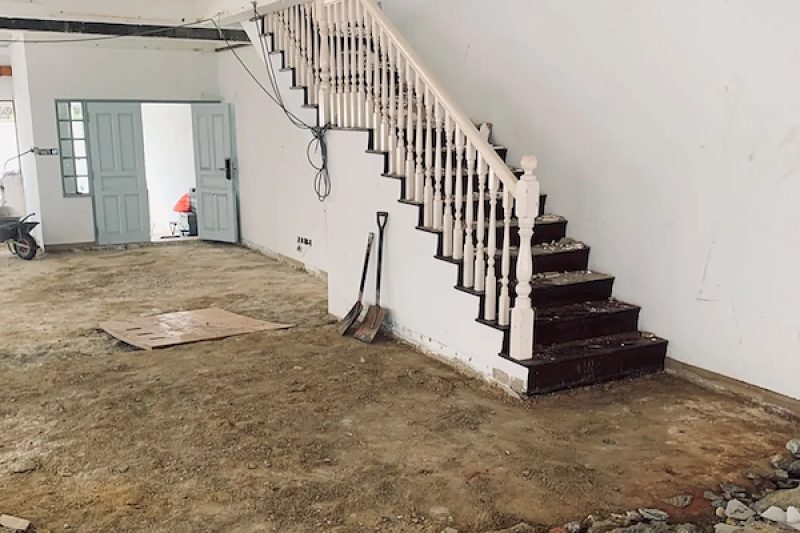
We see this scenario regularly: new landed homeowners discover structural additions, extensions, or modifications that were never approved by BCA or URA. The previous owner may have built an illegal extension, removed load-bearing walls without approval, or added floors beyond the permitted gross floor area. Unfortunately, when you buy the property, these compliance issues become yours to resolve.
The good news is you have options. The challenge is choosing the right one before you invest in any new works.
How Do You Know If Previous Works Were Unapproved?
We always start by comparing what exists on-site with the last approved building plans. During our initial site survey, we request copies of the original approved drawings from BCA or URA. If the homeowner doesn't have them, we help obtain them through the relevant authorities.
Common unapproved works we encounter include:
- Rear or side extensions that exceed setback requirements
- Additional storeys that breach height limits or plot ratio
- Removal of structural walls without qualified person approval
- Roof modifications or attic conversions
- Basement excavations without proper submissions
- Balcony enclosures that affect the building envelope
Sometimes the signs are obvious — like finding steel beams that don't appear on any drawings. Other times, we discover issues during detailed structural assessments when dimensions don't match approved plans.
What Are Your Legal Options for Unapproved Works?
You have three main paths when we identify unapproved structural works:
Regularisation Through Retrospective Approval
If the unapproved works comply with current building codes and planning guidelines, we can submit for retrospective approval. This involves preparing as-built drawings, structural calculations, and compliance reports to bring the works into legal status.
We've successfully regularised extensions, internal modifications, and structural changes this way. However, it only works if the existing works meet current standards. The authorities won't approve something that violates setbacks, plot ratios, or structural requirements.
Partial Demolition and Rectification
When parts of the unapproved works can't be regularised, we design selective demolition to bring the property back into compliance. This might mean reducing an oversized extension, reinstating removed structural walls, or removing unauthorised floor area.
This approach works well when the majority of the structure is compliant, but specific elements need correction.
Complete Demolition and Proper Rebuild
Sometimes the most practical solution is demolishing the unapproved works entirely and rebuilding properly. This gives you a clean slate and ensures everything meets current codes.
We recommend this approach when regularisation costs exceed rebuild costs, or when the existing works are structurally unsound.
What Does Rectification Actually Cost?
The exact costs depend heavily on the scope and complexity of the unapproved works, but we can share typical ranges based on our experience:
Regularisation submissions typically cost between $8,000-$15,000 for architectural drawings, structural assessments, and authority submissions. This assumes the works are fundamentally compliant and just need proper documentation.
Partial demolition and rectification varies enormously. Simple internal wall modifications might cost $20,000-$40,000 to rectify properly. Major structural corrections or extension reductions can reach $80,000-$150,000.
Complete demolition and rebuild of substantial unapproved works — like an illegal second storey — typically costs similar to new construction for that area.
The key point: rectification almost always costs more than doing it right initially. We've seen homeowners spend $100,000 correcting works that would have cost $60,000 to build properly with approvals.
How Do Authority Enforcement Actions Work?
BCA and URA can take enforcement action against unapproved works, regardless of whether you built them. We've worked with homeowners facing enforcement notices who had no idea the previous owner had done illegal works.
Typically, authorities issue notices requiring you to either apply for retrospective approval or demolish the unapproved works within a specified timeframe. Ignoring these notices can result in prosecution and forced demolition at your expense.
The sooner you engage with the authorities and demonstrate good faith efforts to resolve the issue, the better. We always recommend proactive compliance rather than waiting for enforcement action.
Can You Claim Against Previous Owners?
This depends heavily on your purchase contract and whether the unapproved works were disclosed. We're builders, not lawyers, so we always recommend homeowners consult their property lawyers about potential recourse.
What we can tell you is that resolution typically takes months regardless of any legal claims, so you'll need to address the immediate compliance issues first.
How We Approach Inherited Unapproved Works
When clients come to us with discovered unapproved works, we start with a comprehensive assessment comparing existing conditions to approved plans. Our in-house qualified person evaluates structural implications and compliance gaps.
We then present options with realistic cost estimates for each approach. Sometimes regularisation makes sense. Other times, demolition and proper rebuild is more economical long-term, especially if you're planning other renovations.
Our goal is helping you understand the true costs and implications before you commit to any approach. We've seen too many homeowners rush into expensive regularisation attempts for works that would be cheaper to rebuild properly.
The most important thing is dealing with the issue proactively. Unapproved structural works don't disappear, and they can complicate or prevent future renovation plans.
Frequently Asked Questions
Am I liable for unapproved works done by previous owners?
Yes, when you purchase a property, you inherit responsibility for compliance with building regulations. However, you have options to regularise, modify, or remove the unapproved works to achieve compliance.
How long do I have to rectify discovered unapproved works?
If authorities haven't issued enforcement notices, there's no specific deadline. However, we recommend addressing compliance issues before planning any new works, as unapproved structures can complicate future applications.
Can unapproved works affect my property value?
Potentially yes. Buyers may discount offers knowing they'll inherit compliance issues, and some banks may be hesitant to finance properties with known regulatory problems. Proper rectification typically resolves these concerns.
Should I disclose unapproved works if I'm selling?
We're builders, not property lawyers, but we always recommend consulting your property lawyer about disclosure obligations. From a practical standpoint, addressing compliance issues before selling often results in better outcomes.
Do all renovation contractors check for unapproved works?
No, many renovation contractors don't systematically compare existing conditions to approved plans. Because we handle structural works and authority submissions, we always verify compliance as part of our initial assessment process.
Checking a property's approval history is one of the things worth doing before you call a builder at all - see what to have ready before that first call for the fuller list.
Discovered unapproved works on your landed property? We can help you assess your options and develop a compliant solution. Contact us on WhatsApp to discuss your specific situation.