
BCA Supervision Requirements: What We Actually File as Licensed Builders
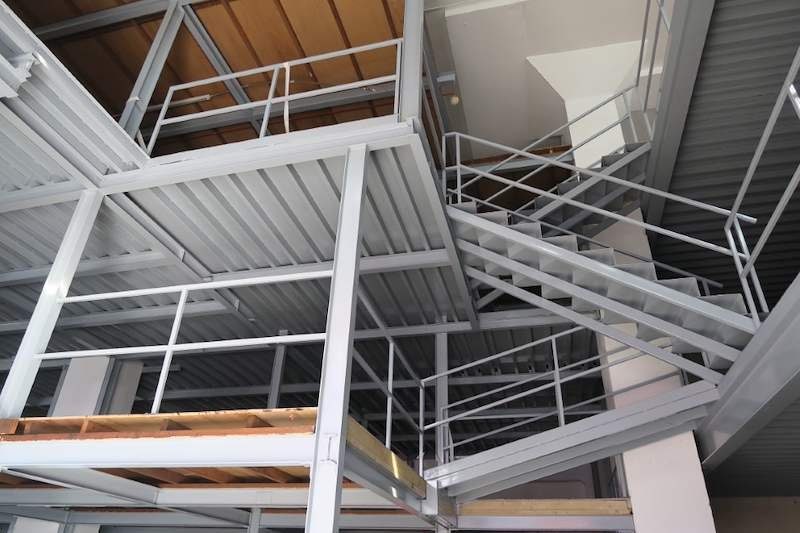
As a BCA General Builder Class 2, we file detailed supervision documentation with BCA throughout every landed build. The requirements are strict, the paperwork is extensive, and missing any filing can halt your entire project. Here's what actually happens behind the scenes.
What BCA supervision actually means for your landed build
BCA supervision isn't just about having a licence — it's about proving we're supervising critical work stages through formal documentation. Every structural element, from foundation piling to roof framing, requires specific filings at specific times.
We work with our in-house QP (Qualified Person) who coordinates all submissions. The QP signs off on structural designs, but we as the licensed builder file the supervision reports proving the work matches those approved plans.
The key stages where we file supervision reports include foundation completion, structural frame completion, and final structural inspection. Miss any of these filings, and BCA can issue a stop-work order.
The actual documents we file with BCA
Our BCA filings for a typical landed rebuild include several critical documents. First, the Form A1 supervision report gets filed when we start structural work. This confirms our licensed supervision has begun and identifies which QP we're working with.
At foundation completion, we file detailed inspection reports with photos showing reinforcement placement, concrete pours, and compliance with approved structural drawings. For landed homes with basement construction or complex foundations, this documentation can run to dozens of pages.
Structural frame completion requires another comprehensive filing. We document beam placements, column connections, and any variations from the approved plans. If we've made any site modifications — which happens on most landed builds — we file variation reports with our QP's endorsement.
The final structural inspection report includes load testing results where required, final surveys confirming the structure matches approved plans, and sign-off that all structural work complies with BCA codes.
QP coordination and what it means for timelines
Our in-house QP handles URA and BCA plan submissions, but the supervision requirements mean constant coordination throughout the build. The QP must inspect critical stages in person — we can't just file reports without their physical verification.
This affects your build timeline significantly. We schedule QP inspections around concrete pours, steelwork installation, and major structural completions. If the QP identifies any issues during these inspections, we halt work until corrections are made and re-filed with BCA.
For complex landed builds — particularly those with basements, swimming pools, or unusual structural elements — we often coordinate multiple QP visits per month. Each visit generates documentation that gets filed with our supervision reports.
What happens when supervision requirements aren't met
We've seen projects where previous contractors didn't maintain proper BCA supervision documentation. The consequences are severe and expensive to fix.
BCA can issue stop-work orders if supervision reports are missing or incomplete. Getting back on track requires re-filing all missing documentation, often with additional structural testing to verify work quality. We've seen this add months to project timelines.
Worse, if structural work proceeds without proper supervision documentation, BCA may require partial demolition to inspect hidden structural elements. This is particularly problematic for foundation work — we've seen cases where completed basement slabs had to be core-drilled extensively because supervision reports weren't properly filed during construction.
For homeowners, this means choosing a licensed builder isn't just about capability — it's about ensuring your build won't be halted by missing paperwork.
How supervision requirements affect your project cost
Proper BCA supervision adds time and cost to every build, but it's mandatory for licensed structural work. Our supervision documentation typically requires 15-20% additional project management time compared to simple renovation work.
QP coordination alone involves multiple site visits, report preparation, and submission follow-up. For a typical landed rebuild, we budget for 8-12 QP visits throughout the construction process.
However, proper supervision documentation protects your investment. When we complete a project with full BCA compliance documentation, future renovations or sales proceed smoothly. Properties with incomplete or missing structural documentation often face delays and additional costs later.
Do all builders file the same BCA supervision reports?
No — only licensed builders can file structural supervision reports. Renovation contractors typically work under a licensed builder's supervision or handle only non-structural work. We handle all supervision requirements in-house as part of our build service.
How often do you coordinate with BCA during a typical landed build?
For structural work, we typically file supervision reports 3-5 times during the build, plus ad-hoc filings for any variations. Our QP handles plan submissions and amendments, while we focus on supervision documentation proving work compliance.
What happens if BCA finds issues during their own inspections?
BCA conducts random inspections beyond our supervision reports. If they find discrepancies, we must halt work, investigate the issue with our QP, and file corrective action reports. This is why we maintain detailed documentation throughout every build stage.
Can supervision requirements delay my project timeline?
Yes, proper supervision coordination adds time to critical path activities. We build QP inspection schedules into all project timelines from the start. Rushing supervision requirements typically creates bigger delays later.
Do supervision requirements differ for A&A versus full rebuilds?
Rebuilds require more extensive supervision documentation since we're constructing new structural elements. A&A projects focus supervision on modified structural elements only. Both require full BCA compliance, but rebuild documentation is typically more comprehensive.
Planning structural work for your landed property? Understanding supervision requirements upfront helps avoid costly delays later. We handle all BCA coordination as part of our build service. WhatsApp us to discuss your project requirements.
Going deeper: the same question comes up with internal platforms - floor loading, submissions and the landlord on a steel mezzanine.
Also worth reading: getting CSC after a landed rebuild — TOP versus CSC, and the record that makes the submission possible.