
BCA Piling Approval: Monitoring & Reporting Requirements
What BCA Actually Requires for Piling Monitoring
Every piling project we do requires BCA approval and continuous monitoring — there's no shortcut. We've been through this process hundreds of times, and the requirements are stricter than most homeowners expect.
BCA treats piling as structural work requiring PE (Professional Engineer) supervision. This isn't a DIY territory or general contractor job. The monitoring starts before we drive the first pile and continues until BCA signs off on completion.
The key documents BCA wants to see: test pile results, daily monitoring logs, material compliance certificates, and completion reports signed by our PE. Miss any of these, and your project stops.
Test Pile Requirements: Why We Can't Skip This Step
Before any production piling begins, BCA requires test piles on your site. We typically install 2-3 test piles depending on your landed property's size and soil conditions.
Each test pile gets monitored for:
- Load capacity testing (usually 1.5x design load)
- Settlement measurements over 72 hours minimum
- Pile integrity testing using sonic or cross-hole methods
- Concrete cube strength tests from the actual pour
The test results go to our PE, who submits them to BCA with load calculations. Only after BCA approves the test results can we proceed with production piling. We've seen projects delayed weeks when test piles fail — usually due to unexpected soil conditions or inadequate design loads.
On one recent landed rebuild, our test piles showed the original soil investigation underestimated clay layer thickness. We had to redesign pile lengths and resubmit before BCA would approve production work.
Daily Monitoring Logs: What We Track During Piling
BCA requires detailed daily logs throughout piling works. Our site supervisor records everything in real-time — this isn't something we can backfill later.
Daily monitoring includes:
- Pile installation sequence and locations
- Concrete pour volumes and slump tests
- Reinforcement cage placement and cover measurements
- Installation torque readings for screw piles
- Weather conditions and any delays
- Quality control test results
We photograph each pile at key stages: reinforcement placement, concrete pour, and completion. BCA spot-checks these logs during inspections, and they form part of your final completion certificate.
The monitoring also catches problems early. We've identified defective piles during installation that would have been impossible to fix after completion — saving clients both time and money.
Material Compliance: Proving Everything Meets BCA Standards
BCA wants proof that every material used meets Singapore standards. We maintain compliance certificates for all piling materials throughout the project.
Required compliance documentation:
- Concrete mix design and supplier certificates (SS EN 206)
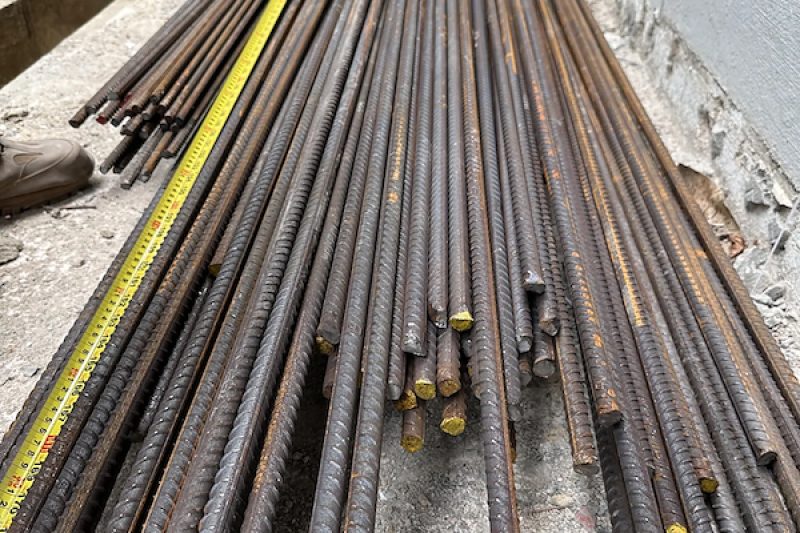
- Reinforcement steel mill certificates (SS 2:2010)
- Pile casing material certificates where applicable
- Admixture compliance for marine-grade concrete
We source materials only from BCA-recognised suppliers and maintain the full chain of custody. This documentation becomes part of your property's permanent records — important for future sale or renovation.
Our PE reviews all material certificates before installation. If anything doesn't meet specifications, we reject it before it reaches your site.
BCA Inspections: What Happens During Site Visits
BCA conducts unannounced inspections throughout piling works. As your builder, we ensure the site is always inspection-ready, but homeowners should understand what BCA looks for.
Typical inspection points:
- Pile installation sequence matches approved drawings
- Concrete quality and placement procedures
- Reinforcement placement and lap lengths
- Site safety measures and worker certification
- Monitoring equipment calibration and records
BCA can issue stop-work orders if they find non-compliance. We've seen other builders get stopped for inadequate records or using non-compliant materials. Getting back to work requires rectification and re-inspection — expensive delays.
Our approach: we treat every day like an inspection day. Better to over-document than explain gaps to BCA later.
Completion Certificates: Final BCA Sign-Off
BCA requires a comprehensive completion report before issuing your Certificate of Completion. Our PE compiles this from all monitoring data throughout the project.
The completion package includes:
- Final pile layout with as-built dimensions
- All test results and compliance certificates
- Complete monitoring logs and inspection records
- PE certification that work meets approved design
- Recommendations for future building loads
BCA reviews this package and may conduct a final inspection before sign-off. Once approved, the completion certificate becomes part of your property's official records with URA and HDB (for HUDC properties).
Without this certificate, future building work requiring foundation modifications becomes significantly more complicated — and expensive.
What happens if BCA finds issues during piling?
BCA can issue stop-work orders for non-compliance. Common issues include inadequate records, non-compliant materials, or deviation from approved plans. As your builder, we handle rectification and re-inspection, but this adds time and cost to your project.
Can homeowners handle BCA submissions themselves?
No. BCA requires PE supervision and submission for all piling works. The technical requirements and liability make this unsuitable for DIY submission. We include all BCA submissions as part of our piling service.
How long does BCA approval take for piling projects?
Initial plan approval typically takes 2-3 weeks. Test pile approval adds another 1-2 weeks after results submission. We factor these timelines into your project schedule from the start.
We handle all BCA submissions and monitoring as part of our piling service, ensuring your project meets all requirements without delays. For a detailed quote on your landed property's piling requirements, message us at https://wa.me/6591072601.
Related: monitoring needs a baseline, and the baseline is taken before anything moves — dilapidation surveys before works start.